Comprehensive Eye Care Treatment: Nurturing Vision Health
Our eyes are delicate and intricate organs that require proper care to maintain optimal vision health. Eye care treatment encompasses a range of services and interventions designed to diagnose, manage, and prevent eye conditions and diseases. This article explores the importance of comprehensive eye care treatment, the various treatment modalities available, and the significance of early intervention in preserving vision.
The Importance of Eye Care Treatment:
Eye care treatment plays a vital role in promoting and maintaining healthy vision. Regular eye examinations and appropriate treatment interventions can:
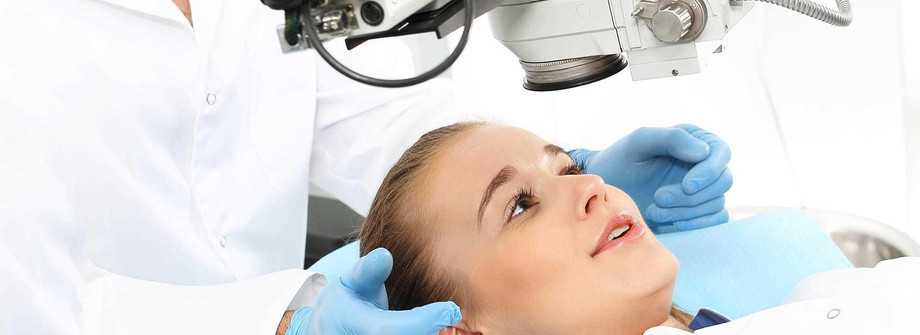
Detect and Manage Eye Conditions:
Eye care treatment allows for the early detection and management of various eye conditions. This includes common ailments such as refractive errors (nearsightedness, farsightedness, astigmatism), dry eye syndrome, conjunctivitis (pink eye), and more complex conditions like glaucoma, cataracts, macular degeneration, and diabetic retinopathy. Timely diagnosis and treatment can help prevent further progression and minimize potential vision loss.
Improve Visual Function:
Proper treatment interventions, such as prescription eyeglasses or contact lenses, can significantly improve visual acuity and quality. Correcting refractive errors enhances clarity and focus, allowing individuals to perform daily activities with ease and comfort.
Preserve Eye Health:
Eye care treatment focuses not only on vision correction but also on preserving the overall health of the eyes. Treatment options may include medications, therapeutic interventions, or surgical procedures tailored to specific eye conditions. By addressing underlying issues and providing appropriate care, eye care professionals can prevent further damage and maintain the long-term health of the eyes.
Comprehensive Eye Care Treatment Modalities:
Prescription Eyeglasses and Contact Lenses:
Prescription eyeglasses and contact lenses are common treatment options for refractive errors. Eye care professionals conduct precise measurements and assessments to determine the correct lens prescription, taking into account factors such as refractive power, astigmatism, and individual visual needs. These corrective lenses help individuals achieve clear and focused vision, reducing strain and discomfort.
Medications and Eye Drops:
For various eye conditions, medications and eye drops are prescribed to manage symptoms, control inflammation, or treat infections. Examples include artificial tears for dry eye syndrome, antibiotic or antiviral drops for infections, and intraocular pressure-lowering medications for glaucoma. Proper administration and adherence to prescribed medications are crucial for effective treatment.
Surgical Interventions:
Surgery is often recommended for certain eye conditions to restore or improve vision. Common surgical procedures include:
a. Cataract Surgery: Cataract removal is performed when the natural lens becomes clouded. During surgery, the cloudy lens is replaced with an artificial intraocular lens (IOL), restoring clear vision.
b. Refractive Surgery: Refractive surgeries, such as LASIK (laser-assisted in-situ keratomileusis) and PRK (photorefractive keratectomy), reshape the cornea to correct refractive errors and reduce dependence on glasses or contact lenses.
c. Glaucoma Surgery: Various surgical procedures aim to lower intraocular pressure and prevent optic nerve damage caused by glaucoma. These may include trabeculectomy, minimally invasive glaucoma surgery (MIGS), or laser therapies.
d. Retinal Surgery: Conditions like retinal detachment, macular holes, or epiretinal membranes may require surgical intervention to restore retinal integrity and preserve vision.
Lifestyle Modifications and Preventive Measures:
Eye care treatment also emphasizes lifestyle modifications and preventive measures to maintain eye health. This includes:
a. Eye Hygiene: Proper eye hygiene practices, such as regular handwashing, avoiding touching the eyes, and proper contact lens care, can reduce the risk of infections and irritations.
b. Nutritional Support: A balanced diet rich in antioxidants, omega-3 fatty acids, and vitamins C and E is beneficial for overall eye health. Certain nutrients, like lutein and zeaxanthin, are particularly important for maintaining the health of the macula, the central part of the retina.
c. Eye Protection: Wearing protective eyewear, such as goggles or safety glasses, when engaging in hazardous activities or sports, can prevent eye injuries.
d. Sun Protection: UV radiation can damage the eyes. Wearing sunglasses with proper UV protection and a wide-brimmed hat can shield the eyes from harmful sun rays.
The Significance of Early Intervention:
Early intervention is crucial in eye care treatment as it allows for timely diagnosis, management, and prevention of vision-related issues. Regular eye examinations, particularly for children and adults over 40, help identify potential concerns before they progress to more significant problems. By detecting eye conditions in their early stages, eye care professionals can implement appropriate treatment strategies and preserve vision.
For More Info:-


Comments
Post a Comment